Black and Latino Neighborhoods Are Much More Likely to Host Data Centers, Study Finds
A study of more than 5,000 U.S. data centers finds majority-Black, Latino and Asian neighborhoods are more likely to host them than otherwise similar majority-white neighborhoods in the same state.
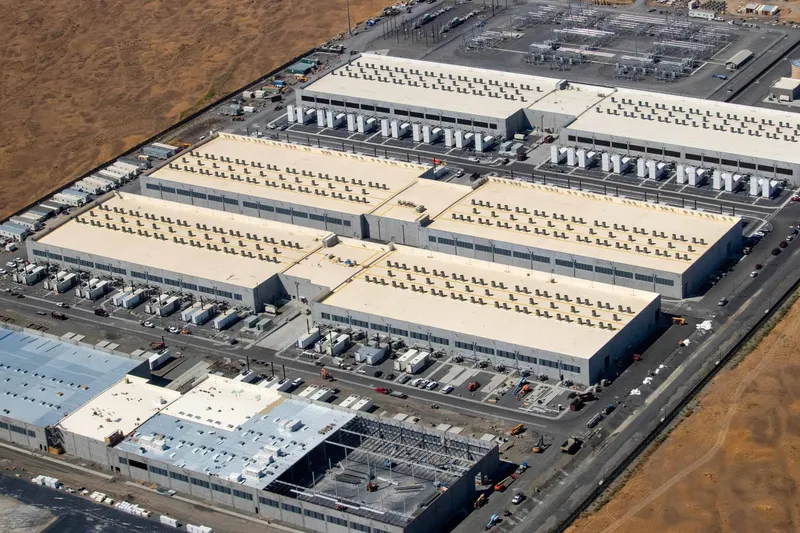
Researchers at George Washington University Law School and American University mapped 5,291 facilities against more than 81,000 census tracts. Majority-Black neighborhoods had roughly 2.2 times the odds of hosting a data center, majority-Latino neighborhoods 2.6 times, and majority-Asian neighborhoods 4.2 times. The gaps held after accounting for income, education, population density, property values and proximity to major electrical infrastructure.
Data centers are spreading as AI raises demand for electricity, processing power and cooling, and they have become unpopular locally. In a June 2026 Reuters/Ipsos poll, just 14% of Americans said they would support an AI data center in their community, and opponents organized 142 protests across 42 states a month later. Communities with recorded opposition were on average 79% white, compared with 53% in communities without documented opposition.
The researchers link the pattern to historical practices such as redlining and the concentration of industrial infrastructure in less powerful communities. The study is observational, so it shows correlation rather than cause, and the data cannot explain why opposition differs by community. The authors recommend racial impact assessments, stronger zoning rules, greater transparency and more meaningful community participation in siting decisions.
Why it matters
The study suggests that the physical build-out of AI infrastructure may repeat older patterns of unequal land use. The authors argue that without deliberate safeguards, the siting of new facilities risks reproducing those inequalities.